


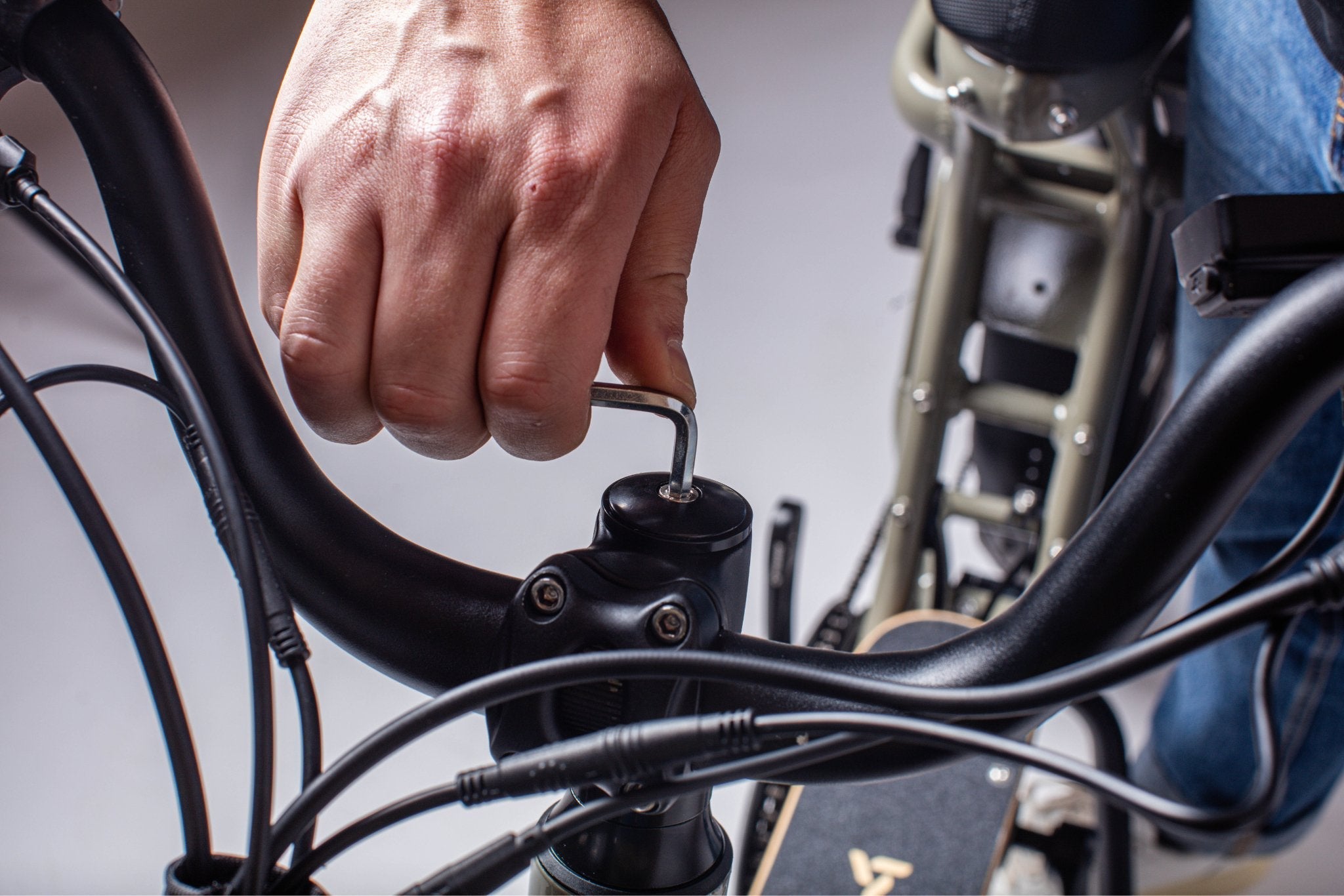
Electric bikes require regular maintenance. Having your electric bike serviced is essential to ensure it works well and to extend its lifespan.
Maintenance and Cleaning
Maintaining an electric bike includes several tasks you can do yourself in addition to regular professional check-ups.
Here are some maintenance tips:
Battery
- Charging: Follow the manufacturer’s instructions for charging. It is often recommended not to let the battery fully discharge or overcharge it.
- Storage: If you won’t be using your bike for a while, remove the battery and store it in a dry place at a moderate temperature. Our tips for battery storage.
- Cleaning: Regularly clean the battery contacts with a dry cloth to ensure a good connection.
Chain and Drivetrain
- Cleaning: Regularly clean the chain and sprockets with a brush and a bike-specific degreaser.
- Lubrication: After cleaning, apply a lubricant suitable for the conditions you ride in (dry or wet).
Tires
- Pressure: Regularly check tire pressure and inflate them according to the manufacturer's recommendations to prevent flats and reduce wear.
- Inspection: Check the condition of the tires for cuts, cracks, or any other signs of wear.
General Cleaning
- Bike Frame: Use a soft cloth and water with a little mild soap to clean the frame and non-electric components. Avoid high-pressure water jets that can damage electrical parts.
By following these maintenance tips, you can help extend the life of your electric bike and maintain its performance.
However, for technical work, especially on the electrical system, it is best to consult a professional.
Service
Why have your electric bike serviced?
- Safety: Servicing checks that all bike components work properly, including brakes, lights, motor, and battery. This ensures your safety and that of other road users.
- Performance: Regular servicing ensures your e-bike operates at peak performance. Adjustments can improve battery efficiency, motor response, and pedaling smoothness.
- Longevity: By detecting and fixing minor issues before they become major, you extend the lifespan of your electric bike. This includes replacing worn parts and maintaining the battery.
- Savings: Although servicing may have a cost, it can save you money in the long run by preventing more expensive repairs due to neglected maintenance.
- Warranty compliance: For some electric bikes, regular maintenance is required to keep the warranty valid. Without it, you may not be covered in case of a manufacturing defect.
In general, the checks performed during a service are as follows:
Braking
- Brake pad wear condition
- Hydraulic fluid bleeding (if there is low pressure with new pads or if the brake lever feels spongy)
- Brake lever clearance adjustment
Gearbox
- Chain cleaning and lubrication
- Wear condition check (using a chain tester)
- Derailleur cable and housing
Tightenings
- Front and rear wheels
- Stem
- Headset play
- Brake levers
- Crankset and crank arm
- Pedals
- Wheel spoke tension
When to service your electric bike?
The service frequency largely depends on how you use the bike.
- Recommended frequency: Service intervals vary by manufacturer, but a good rule of thumb is to have your e-bike serviced at least twice a year.
- Mileage: Some manufacturers also recommend servicing after a certain number of kilometers, often around 1,000 km, depending on usage.
- Heavy use: If you use your electric bike very frequently or in tough conditions (rough terrain, extreme weather), it may need to be serviced more often.
- Warning signs: don’t wait for the annual service if you notice performance issues, unusual noises, or a significant drop in battery range. These signs may indicate that servicing is needed immediately.
In conclusion, regular servicing of your e-bike (electric assisted bicycle) is essential to ensure its safety, performance, and longevity. Adjust the frequency of these services based on how you use your e-bike, its condition, and the manufacturer's recommendations.
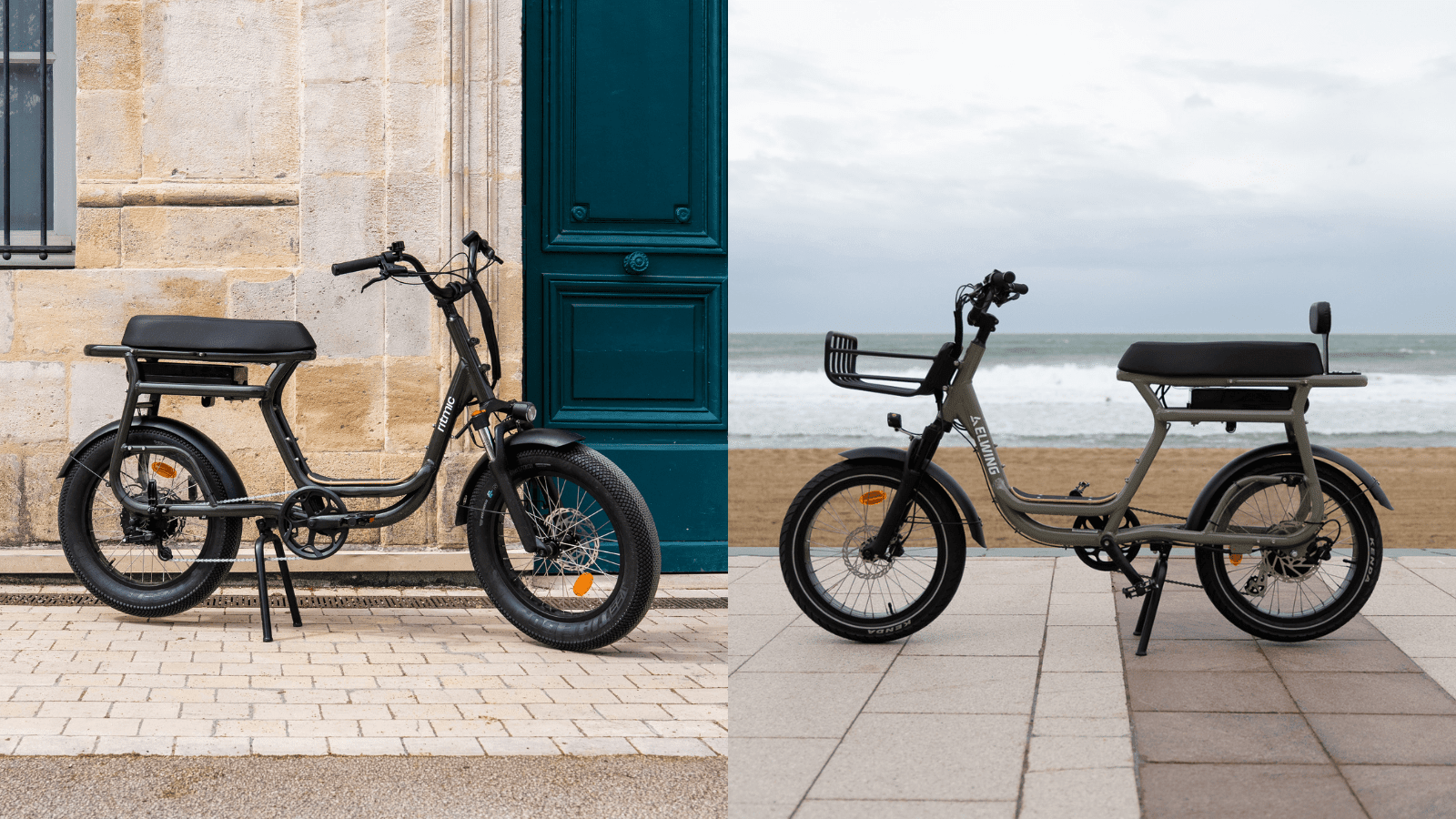
Servicing and maintenance of the Elwing Yuvy
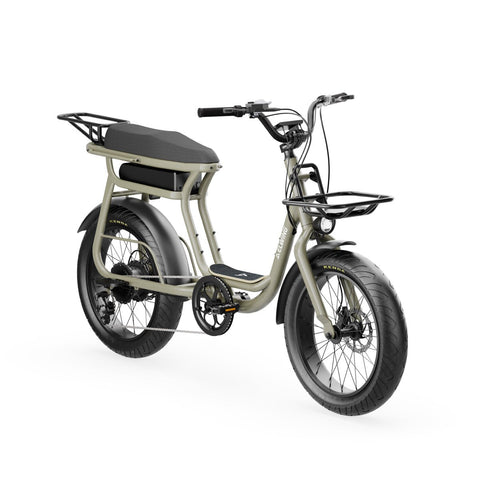
Find all the tips for the maintenance and servicing of Yuvy two-seater electric bikes.
For standard maintenance operations, Elwing has a list of authorized partners.

Share: