


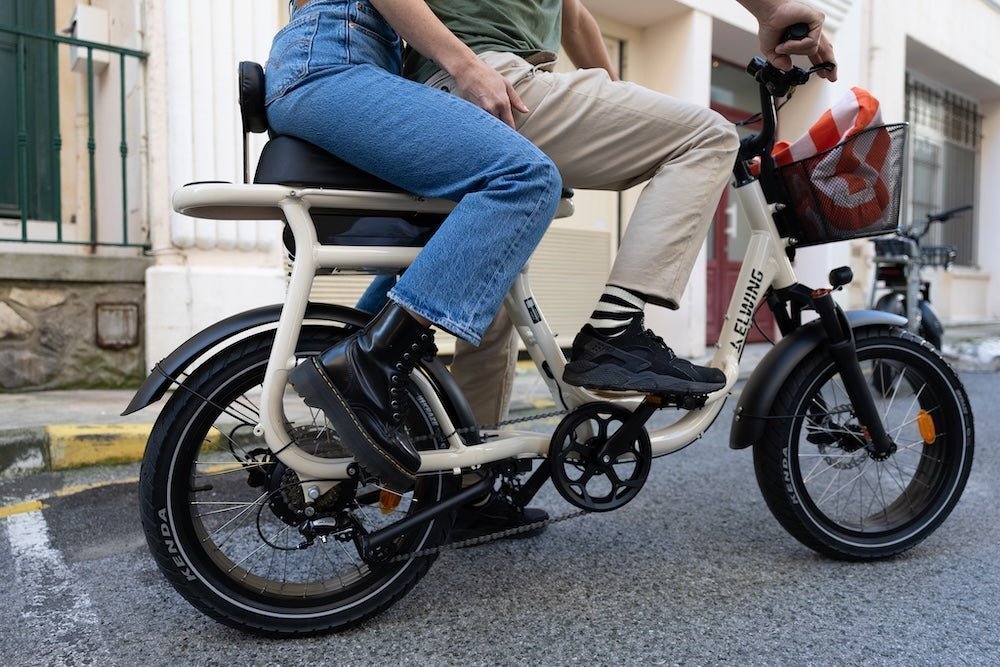
In 2025, national aids for purchasing electric-assisted bikes (EAB) were discontinued. However, many local authorities – regions, departments, municipalities – offer subsidies, often combinable. Here is a detailed guide to the available programs. These aids apply to the purchase of new or refurbished electric bikes on our site.
Learn more about the end of national aids here:

Aid by regions and departments
Many French regions continue to actively support soft mobility through specific aids for purchasing electric or cargo bikes. These aids can take the form of direct subsidies, vouchers, or eco-vouchers, and are sometimes subject to income, residency conditions, or purchase from local sellers. Here is a region-by-region overview of the main measures in place.
City bonuses
Good news: in many cities, there are financial incentives to equip yourself with an electric bike.
Discover them here:
- Paris
- Marseille
- Lyon
- Toulouse
- Nantes
- Montpellier
- Strasbourg
- Bordeaux
- Lille
- Saint-Étienne
- Toulon
- Grenoble
- Angers
- Caen
- La Roche-sur-Yon Agglomeration
- Blois
The sustainable mobility allowance
The Sustainable Mobility Allowance (FMD) is a benefit designed to encourage employees to adopt more environmentally friendly modes of transport for their commute. It allows employers – both public and private – to cover part of the costs related to using so-called “soft” transport methods.
In short: if you commute by bike, carpool, or scooter, your employer can financially support you.
I work in the private sector
- The allowance is optional and its terms are set by each company.
- It can go up to €700 per year, exempt from tax and social contributions.
- This cap can reach €800 if the aid is combined with a public transport subscription.
Eligible mobility options (at the employer’s discretion):
- Bicycle and electric bicycle (personal or rental)
- Carpooling (driver or passenger)
- Electric scooter, hoverboard, unicycle, hoverboard…
- Moped / motorcycle for rent or self-service
- Car-sharing of electric, plug-in hybrid, or hydrogen vehicles
- Public transport (excluding subscription)
I work in the public sector
- The package is standardized and capped at €300 per year per agent.
- Aid is not automatic: you must apply for it with your administration.
- A sworn statement is sufficient, but it is recommended to keep your purchase or rental invoice in case of inspection.
Amount based on the number of travel days:
- €100: between 30 and 59 days
- €200: between 60 and 99 days
- €300: from 100 days
Eligible modes of transport:
- Bicycles or electric-assist bicycles
- Motorized or non-motorized mobility devices (scooters, hoverboards, etc.)
- Mopeds and motorcycles
- Vehicles for rent or self-service
- Low-emission car-sharing services
👉 For more information or to check your eligibility: Ministry of Ecological Transition – Sustainable Mobility Package
How to properly prepare your aid application file?
Before benefiting from your subsidy, you need to prepare a small file. Nothing complicated — we have prepared the complete checklist so you don’t forget anything:
✅ An identity document
To prove that it is really you (and not your neighbor) requesting the aid.
✅ Proof of address
Essential to verify that you live in the area covered by the subsidy.
✅ Proof of income
Only if the aid is subject to income conditions (this is not always the case).
✅ The 3 documents related to the purchase of your bike:
- The purchase invoice: often available as soon as your electric bike is delivered
- The approval certificate: it proves that your bike complies with standards
- The Bicycode registration certificate: it is obtained by creating an account on the Bicycode website, using the link received by email when your bike was delivered
✅ A bank account statement (RIB)
Because yes, that’s when the aid will arrive once your file is approved 💸
Do the aids accumulate?
Yes, electric bike purchase aids are largely combinable, especially between local aids (city, metro area, region) and the Sustainable Mobility Package (FMD) for cargo bikes.
Local aids (city, metro area, region)
These subsidies are generally granted at the time of purchase and can cover part of the bike’s price (often between €150 and €800, depending on the local authorities and the applicant’s resources). They are available to individuals and sometimes also to professionals.
Sustainable Mobility Package (FMD)
It is not a direct purchase aid but a partial reimbursement for commuting trips by bike or other sustainable means.
It is paid by the employer (on a voluntary basis) and can reach up to:
- €700 per year in the private sector (or even €800 with a transport subscription)
- €300 per year in the public sector
👉 Yes, the Sustainable Mobility Package (FMD) can be combined with all purchase aids, as it applies after buying the bike and concerns its daily use.
Why test your bike in-store
Before committing to an electric bike, nothing beats a real-world test. Get on it, feel the motor, test the position, handling, seating... It’s often the trigger to know if it’s the right model for you.
💡 Most public aids only apply if the bike is bought in-store.
In short:
- Local subsidies (city, metro area, etc.) very often require that the purchase be made from an approved local professional
- 100% online purchases are often excluded from the program
- A store advisor can also help you prepare your aid application file
🔍 Where to test a Ritmic bike?
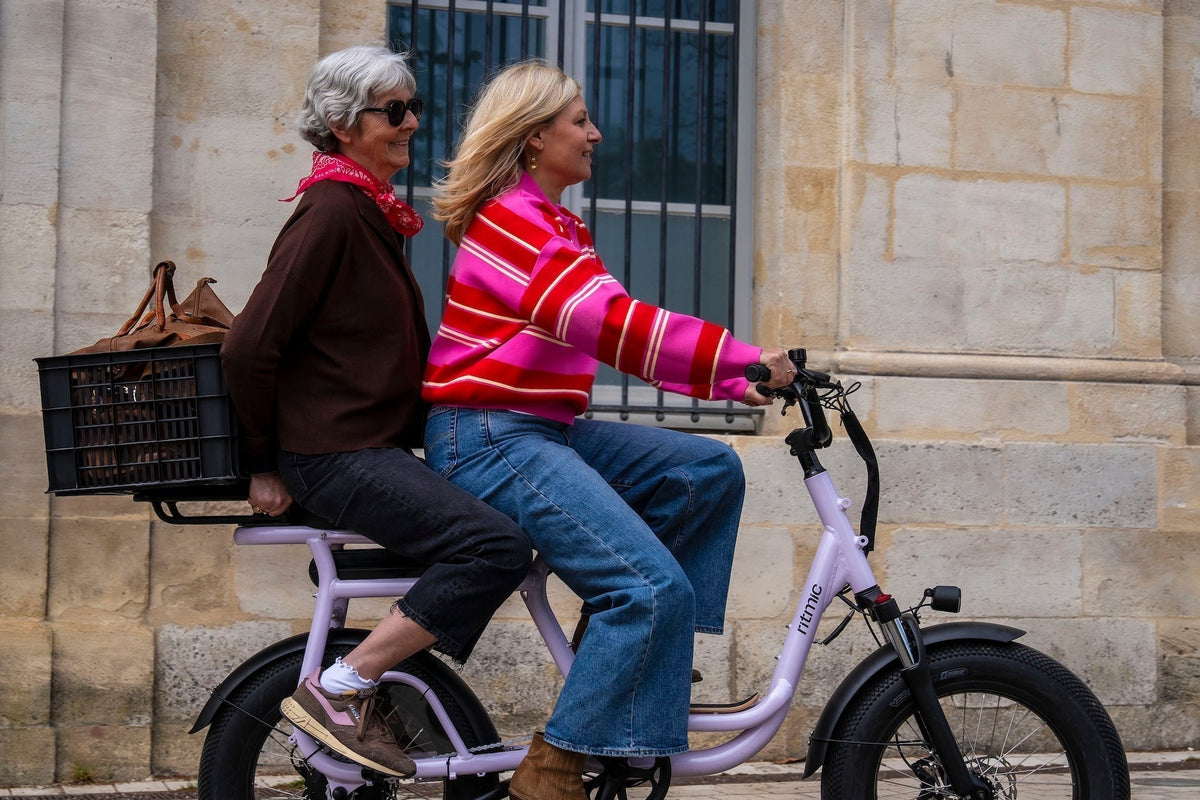
Good news: you can test a Ritmic electric bike at our partner network locations across France.
Just make an appointment at a dealer near you!

Need advice on how to test properly?
We thought of you. In this guide, we explain everything you need to observe, test, and compare during a test ride to make a truly good choice — stress-free and jargon-free.


Share: